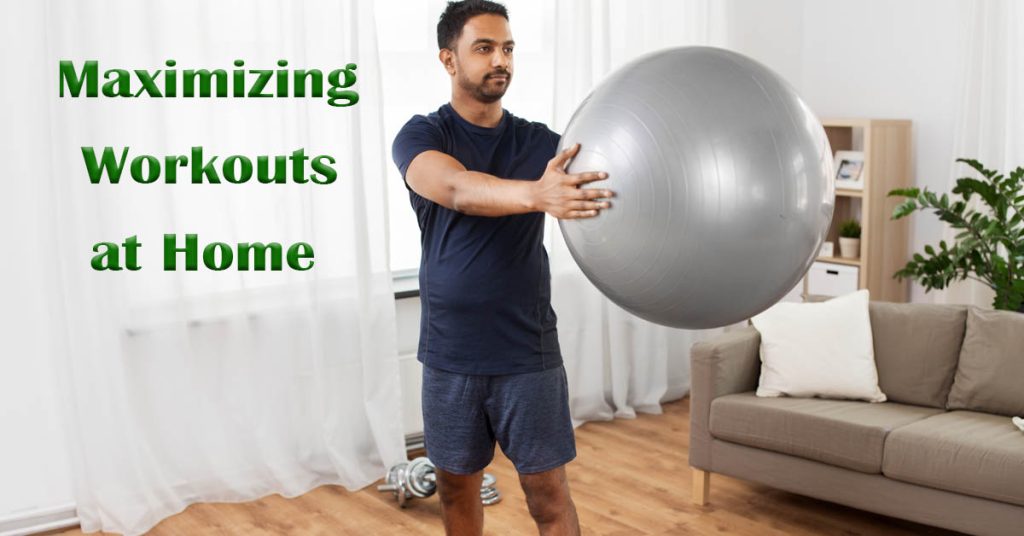
In recent years, the trend of working out at home has gained significant popularity, driven by convenience, privacy, and the flexibility it offers. While exercising at home can be incredibly rewarding, it’s essential to prioritize safety to avoid injuries and make the most of your fitness journey. Whether you’re a seasoned fitness enthusiast or just starting, these tips will help you create a secure and effective workout routine in the comfort of your own space.
1. Warm Up and Cool Down
Never underestimate the importance of warming up and cooling down, even when working out alone. A proper warm-up routine helps prepare your muscles and joints for more intense exercises, reducing the risk of strains and sprains. Likewise, a cool-down session aids in gradually lowering your heart rate and preventing post-workout dizziness.
2. Choose Appropriate Exercises
Select exercises that match your fitness level and goals. Avoid attempting advanced movements without proper guidance or mastering the basics first. Starting with exercises that suit your capabilities reduces the likelihood of overexertion or injury.
3. Maintain Proper Form
Correct form is crucial to prevent injuries and ensure the effectiveness of your workouts. Poor form can strain muscles and joints, leading to discomfort and setbacks. Utilize online resources, such as videos and tutorials, to learn the right techniques for each exercise.
4. Invest in Quality Equipment
If you’re incorporating equipment into your home workouts, invest in high-quality gear that is suited to your fitness routine. Equipment failures can result in accidents, so regularly inspect your equipment to ensure it’s in good working condition.
5. Clear Workout Space
Create a clutter-free workout area to minimize tripping hazards and ensure you have ample space for your exercises. Make sure the floor is clean and free of obstacles. If possible, use a non-slip mat to enhance stability during workouts.
6. Adequate Lighting and Ventilation
A well-lit and properly ventilated room is essential for a safe workout environment. Good lighting helps you see your surroundings clearly, reducing the risk of accidents. Proper ventilation ensures you have a steady supply of fresh air during your session.
7. Stay Hydrated
Even though you’re working out at home, staying hydrated is just as important as in a gym. Keep a water bottle within reach and take regular sips to maintain your fluid balance, especially if your workout is intense or lengthy.
8. Set Realistic Goals
Avoid the temptation to push yourself too hard, especially when working out alone. Set realistic and achievable goals to prevent overexertion, burnout, and potential injuries. Gradually increase the intensity of your workouts as your strength and endurance improve.
9. Incorporate Rest Days
Rest days are crucial for muscle recovery and overall well-being. Overtraining can lead to injuries and hinder your progress. Schedule regular rest days between workouts to give your body the time it needs to repair and rebuild.
10. Emergency Plan
Prepare for the unexpected by having a plan in place in case of accidents or injuries. Keep a fully charged phone nearby during your workout and share your workout schedule with a friend or family member, so someone knows when you’re exercising. Learn basic first aid techniques for minor injuries.
Working out alone at home can be a safe and effective way to stay fit and healthy, provided you prioritize safety and follow these essential tips. By warming up properly, maintaining good form, and creating a conducive workout environment, you can make the most of your solo exercise sessions without compromising your well-being. Remember that safety should always be at the forefront of your fitness journey, enabling you to achieve your goals with confidence and peace of mind.