
Physical Therapy Associates of Wilkes
https://ptaw.nwsltr.infoIs There a Link Between Dehydration and Obesity?
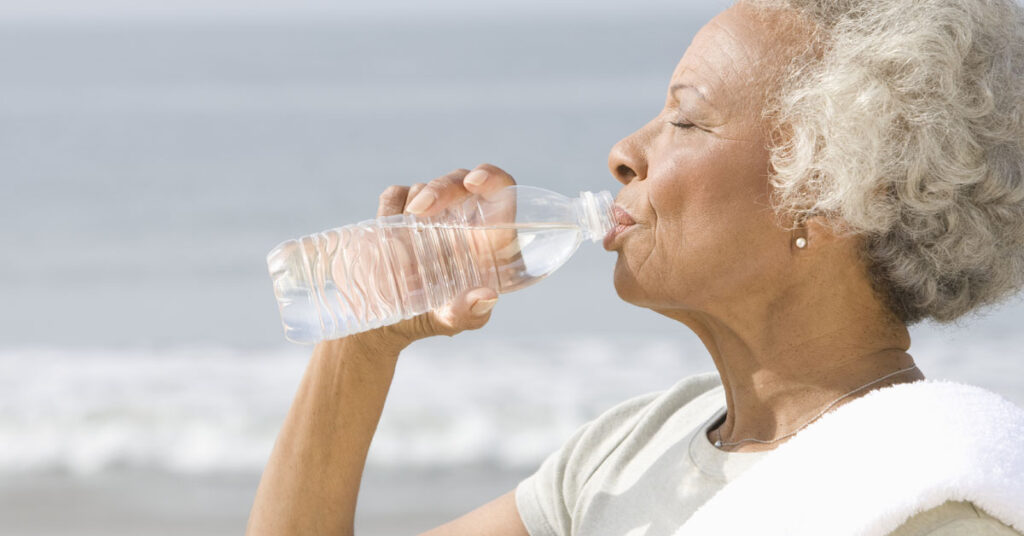
A study published in Annals of Family Medicine finds a strong connection between poor hydration and higher body mass index (BMI), as well as an increased risk of obesity.
What the researchers did:
They examined data from U.S. adults aged 18–64 using the National Health and Nutrition Examination Survey (NHANES) from 2009–2012. Hydration status was measured using urine osmolality, with values of 800 mOsm/kg or higher taken as a sign of inadequate hydration.
What they found:
- About 32.6% of the people in the study were not adequately hydrated.
- After adjusting for factors like age, sex, race/ethnicity, income, and others, those who were inadequately hydrated had an average BMI that was 1.32 kg/m² higher than well-hydrated people.
- They also had significantly greater odds of being obese: the odds ratio for obesity was 1.59 compared to those who were well hydrated.
Why it matters:
The study authors suggest that people with higher BMIs may require more water, and that hydration should be considered more seriously in weight management plans. Poor hydration has also been tied to other health issues, including kidney problems, headaches, and lower physical, mental, and emotional well-being.
Tips for Staying Properly Hydrated
If you suspect you’re not getting enough fluids, these practical ideas might help:
- Keep a water bottle handy so you can drink throughout the day; at work, running errands, etc.
- Freeze water in safe bottles to have cold water available all day.
- Swap out sugary drinks for water. For example, replacing a 20-ounce sugar-sweetened soda with water could save you about 240 calories.
- When eating out, order water instead of soft drinks, it’s cheaper and healthier.
- Add flavor by putting a slice of lemon or lime in your water. It can make water more appealing and help you drink more.
Source:
Chang T, Ravi N, Plegue M, et al. Inadequate hydration, BMI and obesity among US adults: NHANES 2009-2012. Ann Fam Med, (14): 320-324.