
Physical Therapy Associates of Wilkes
https://ptaw.nwsltr.infoWhy Muscle Imbalances Hurt Your Health and Fitness
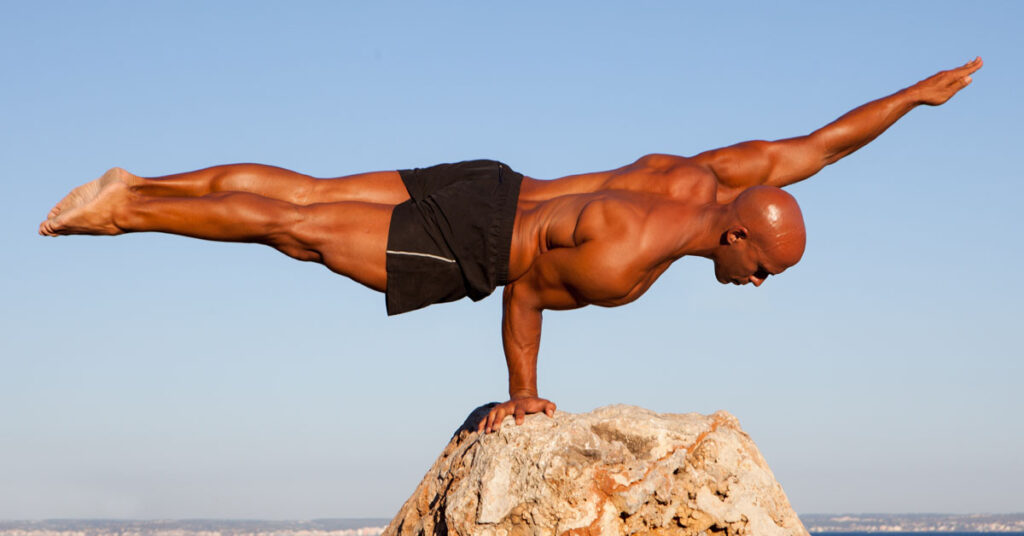
Your muscular system is meant to work in harmony, with opposing groups like flexors and extensors, or agonists and antagonists, balancing each other for smooth, efficient movement. But in real life, many people develop muscle imbalances, even those who are strong or highly active. When muscles don’t pull their fair share, it can reduce your range of motion, destabilize joints, hamper performance, and contribute to both nagging aches and serious injuries.
These imbalances often stem from repetitive habits and training patterns that favor some muscles over others. For example: sitting at a desk all day encourages tight chest and hip-flexor muscles and weak upper-back and glute muscles. Likewise, runners tend to run exclusively; cyclists pedal in a fixed posture; and some strength athletes focus on “mirror muscles” like chest and biceps while neglecting the muscles that support posture and joint alignment.
A simple way to reduce imbalance is to make your training reciprocal: for every movement in one direction, include a countermovement. If you enjoy pressing or curls, add rows and triceps work. If your routine is flexibility-heavy, add strength in those same areas. Runners benefit from strength exercises that build the glutes, core, and thigh muscles to support better mechanics. Even everyday behaviors, like always carrying a bag on the same shoulder, sitting hunched forward, or sitting on a thick wallet, can reinforce imbalance over time.
You can check for imbalances yourself with basic movement tests. Pain-free rotation left and right, or equal leg lifts when lying on your back without lifting your hips, suggests balance. Significant differences in how far or how comfortably you move in each direction may signal an imbalance that needs attention.
If you’re dealing with discomfort, limited mobility, or unstable joints, a few sessions with a physical therapist can help pinpoint and correct these imbalances. With targeted guidance, you can improve your alignment, movement quality, and long-term fitness, and lower your risk of injury while enhancing overall performance.