
Physical Therapy Associates of Wilkes
https://ptaw.nwsltr.infoHow Gardening Supports Mental and Physical Health
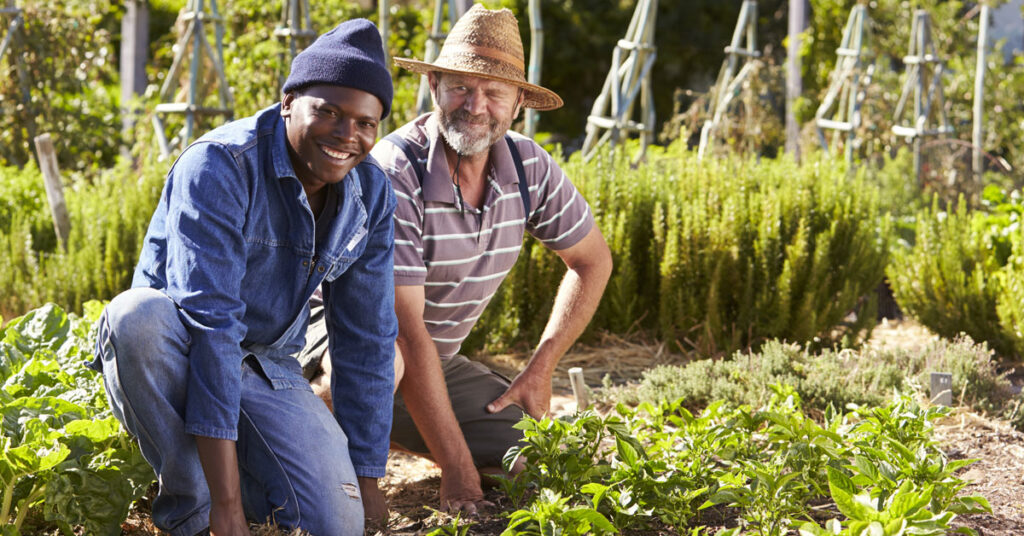
Anyone who has spent time pulling weeds, planting flowers, or mowing the lawn knows that gardening can be real work. But that effort brings more than just beautiful flowers or fresh vegetables, it can also provide meaningful benefits for both body and mind.
A Natural Way to Stay Active
Gardening involves plenty of physical movement. Activities such as bending, kneeling, digging, lifting, and pulling help build strength, flexibility, and balance. These motions work many of the body’s major muscle groups and can provide a form of moderate exercise that keeps you active and fit.
Improved Coordination and Strength
Handling tools, planting seeds, and carefully tending plants can improve hand-eye coordination while strengthening the hands and arms. Research has even shown that people who garden regularly often demonstrate stronger grip strength and overall physical health.
A Healthy Way to Burn Calories
Garden tasks can also help you burn calories. Depending on the activity, gardening may burn hundreds of calories per hour, from lighter tasks like weeding to more vigorous work such as mowing or digging. If the activity raises your heart rate or makes you break a sweat, it contributes to your daily exercise.
Mental Stimulation and Stress Relief
Gardening doesn’t just exercise your body; it engages your mind as well. Planning what to plant, caring for growing plants, and solving problems along the way provide mental stimulation that may help maintain cognitive health. At the same time, spending time outdoors and working with plants can reduce stress and improve mood.
A Way to Connect with Others and Nature
Gardening also brings people together. Sharing a garden with family members or neighbors encourages social interaction and cooperation. Passing along a cutting from a beloved plant or teaching children how to water and care for plants can create lasting memories and strengthen bonds across generations.
Gardening is more than a hobby, it’s a rewarding activity that supports physical health, mental well-being, and meaningful connections with others. So, pick up a trowel, step outside, and start growing.
Sources:
Park, S., & Shoemaker, C. Observing body position of older adults, while gardening for health benefits and risks. Activities, Adaptations & Aging, 33; 31-38.
D’Andrea, S. J., Batavia, M., & Sasson, N. Effect of horticultural therapy on preventing the decline of mental abilities of patients with Alzheimer’s type dementia. Journal of Therapeutic Horticulture, 18, 9–17.
Infantino, M. Gardening: A strategy for health promotion in older women. Journal of the New York State Nurses Association, 35(2), 10–17.
Wang, Donna, & MacMillan, Thalia. The Benefits of Gardening for Older Adults: A Systematic Review of the Literature. Activities, Adaptation & Aging; 37:2; 153-181.